Is Reformer Pilates Safe for People with Injuries?
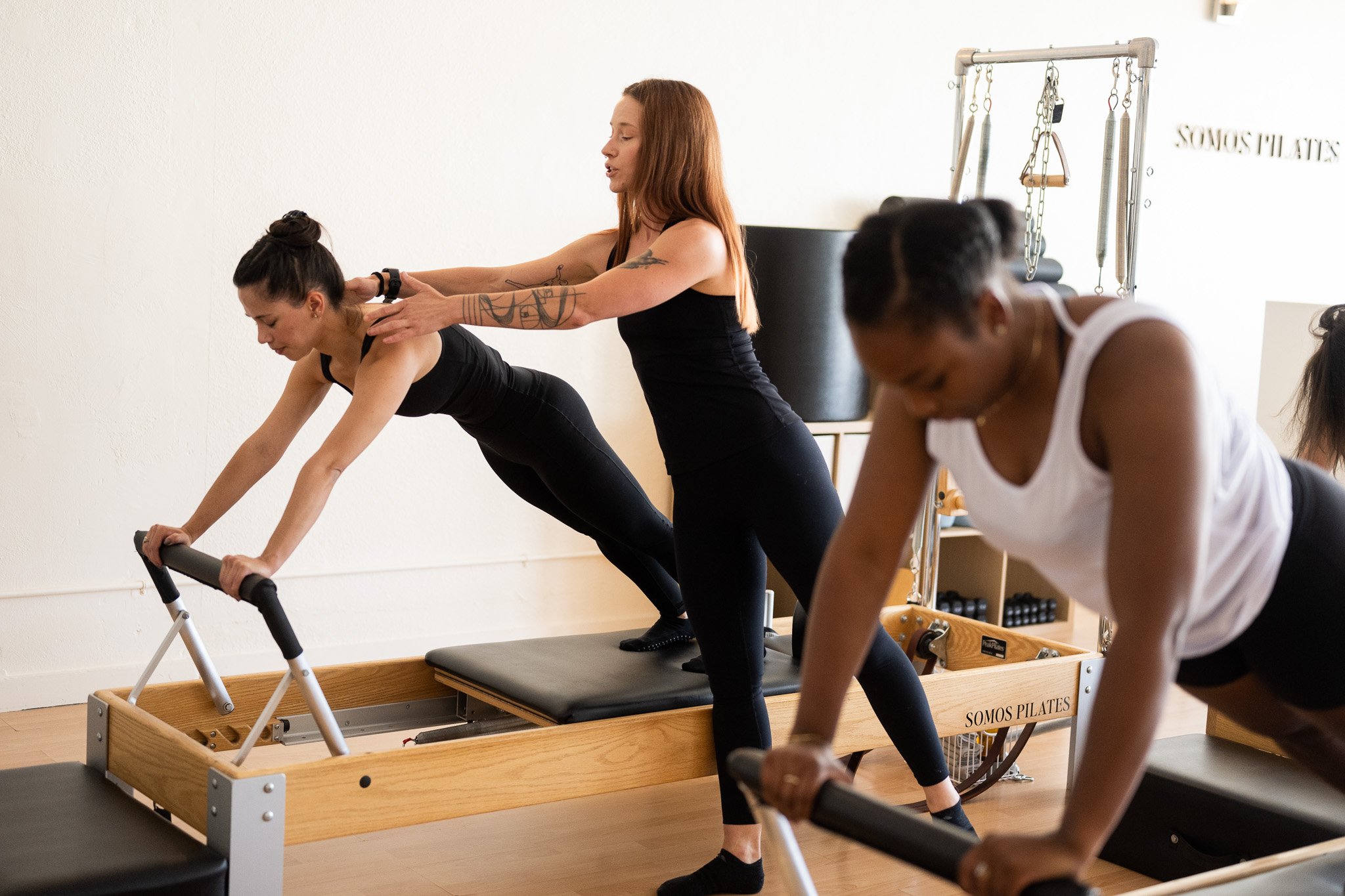
Quick Answer: Reformer Pilates can be a safe way to stay active or return to movement after certain injuries, with the right guidance and modifications. It's about understanding what your body needs, giving yourself time to recover, and finding ways to move that feel right for you.
Recovering from an injury can feel frustrating, especially when it limits your daily movement and puts your favorite workouts on hold. If you've been enjoying Reformer Pilates in Albuquerque, it's natural to wonder whether your practice can still support you during this time.
The good news is that you don't necessarily have to give up the practice you love. With the right guidance and thoughtful adjustments, Reformer Pilates can be part of your return to movement. Understanding its benefits and limitations is a good place to start.
The Origins of Pilates and Its Connection to Injury Recovery
Here's something you might not know: Pilates actually has roots in injury recovery. In the early 20th century, Joseph Pilates developed exercises focused on building strength, flexibility, and body control. His work with injured and bedridden patients is often linked to the development of spring-based equipment, which eventually helped shape the Pilates Reformer we know today. With adjustable resistance and controlled movements, the Reformer can be adapted to different physical abilities and movement needs.
What Injuries Can You Do Reformer Pilates With?
Reformer Pilates may be an option for people with certain injuries, including:
Lower Back Pain: Muscle strains that can cause stiffness, soreness, or discomfort during everyday activities.
Knee Injuries: Runner's knee or knee sprains that may cause pain or difficulty with certain movements.
Shoulder Injuries: Rotator cuff strains that can cause pain or limit shoulder movement.
Hip Injuries: Hip flexor strains that can cause pain, stiffness, or difficulty moving comfortably.
Ankle Injuries: Ankle sprains that can affect balance, mobility, or comfort when walking.
While Reformer Pilates may support movement with these conditions, the right approach will depend on your individual needs and recovery.
Is Reformer Pilates Safe for People With Injuries?
Reformer Pilates is low-impact and offers options for modifications, but not every exercise is suitable for every injury. Here are some important factors to consider before starting or returning to your practice.
Medical Guidance
Your healthcare provider can help determine whether Reformer Pilates is appropriate for your injury and recommend any necessary precautions or movement restrictions. Getting their guidance before joining a class is an important part of returning to exercise safely.
Body Condition
The type and severity of your injury play an important role in determining which exercises are appropriate. A mild, stable condition can come with different movement limitations than a recent injury or recovery from surgery.
Stage of Recovery
Your stage of recovery affects how much movement and resistance your body can safely handle. Certain exercises may be appropriate later in recovery but too demanding during the early stages.
Exercise Modifications
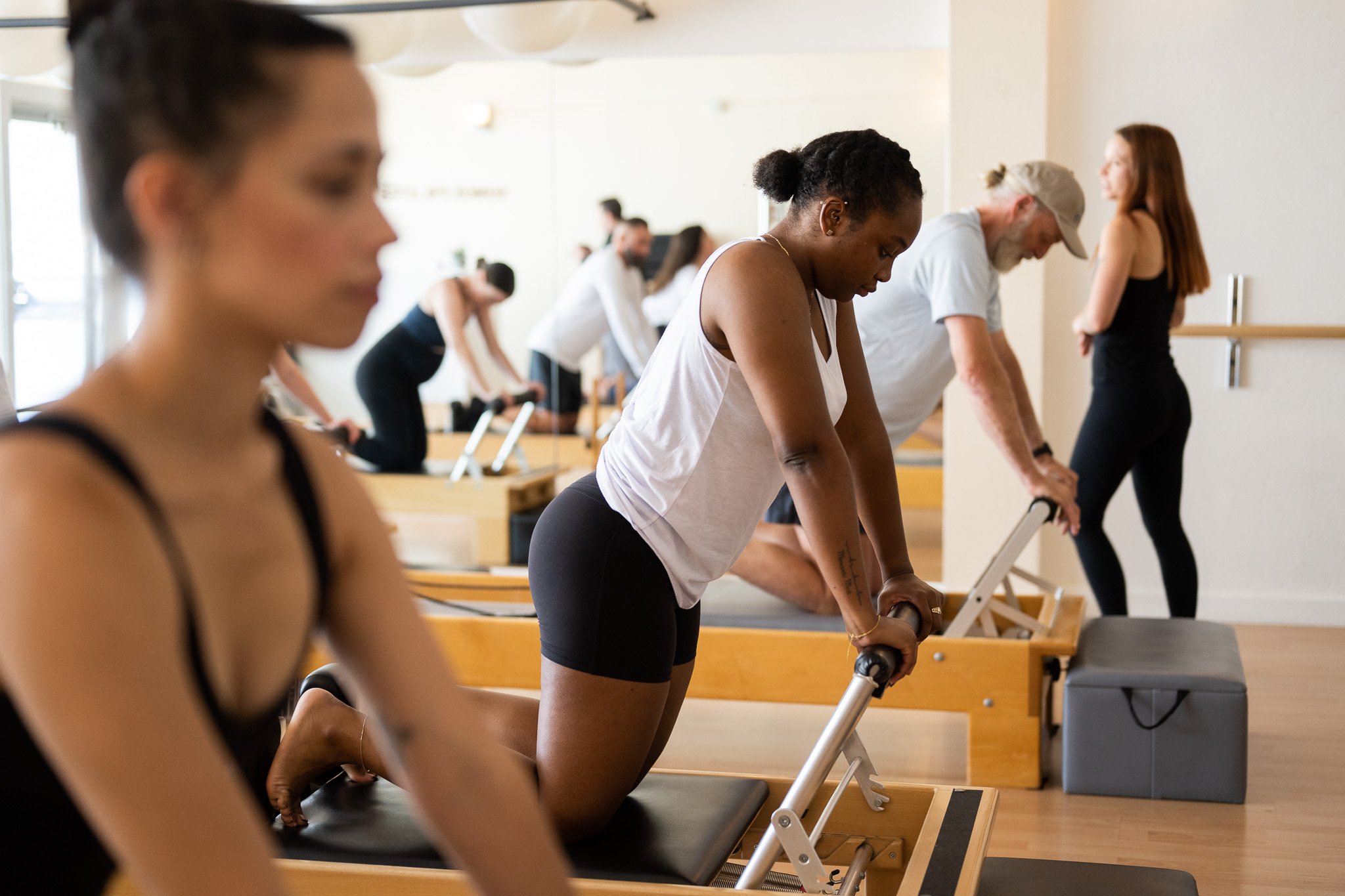
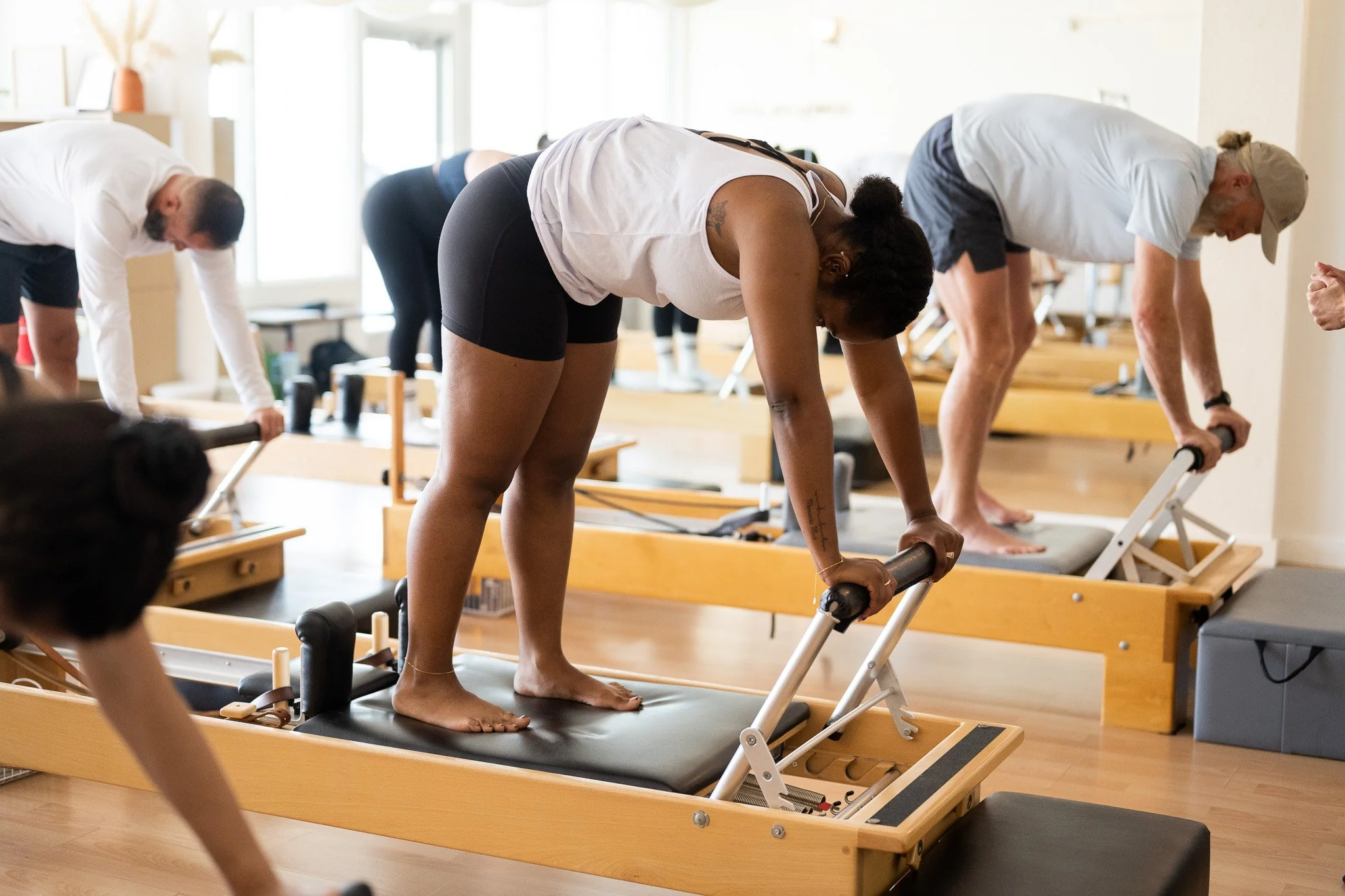
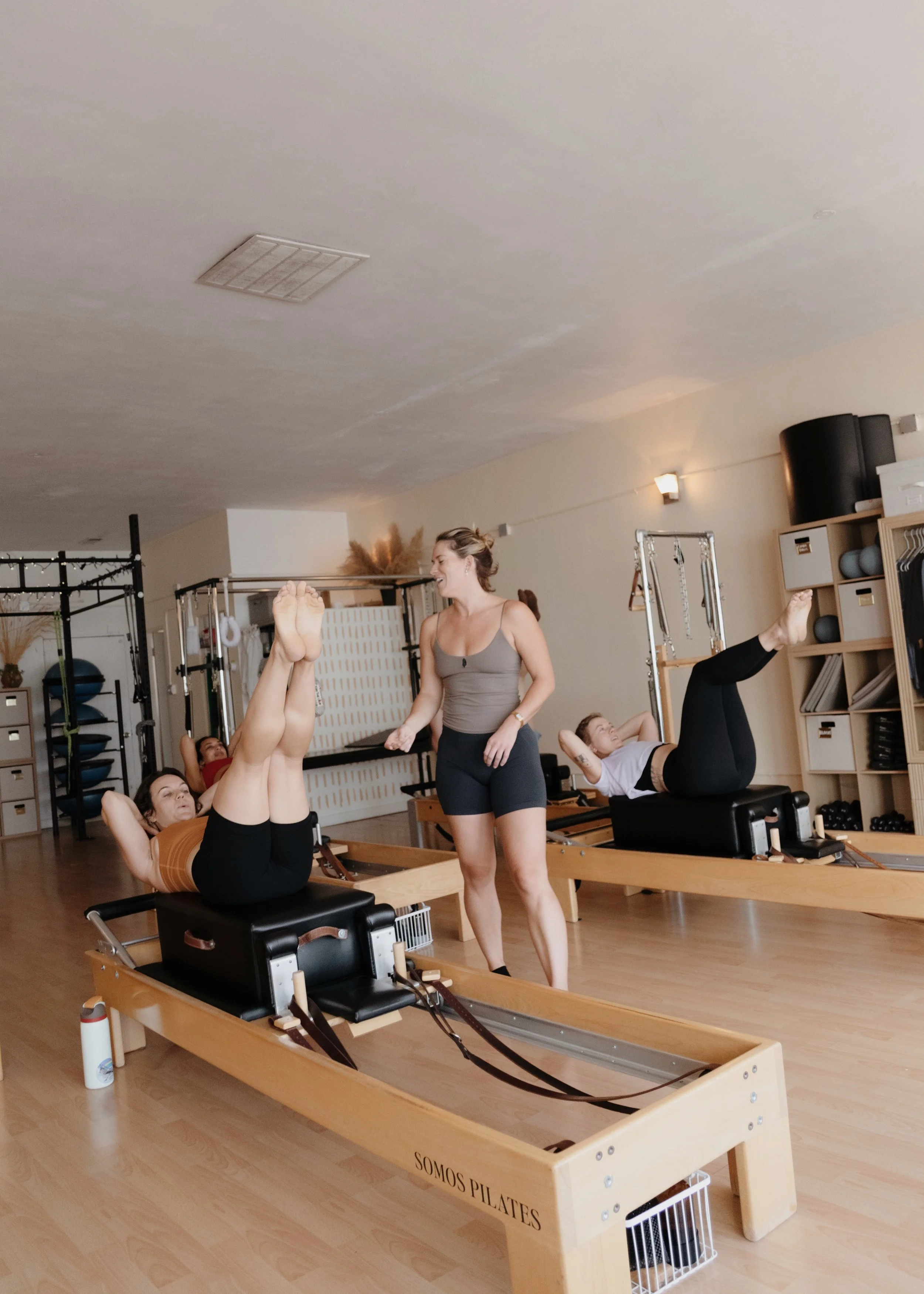
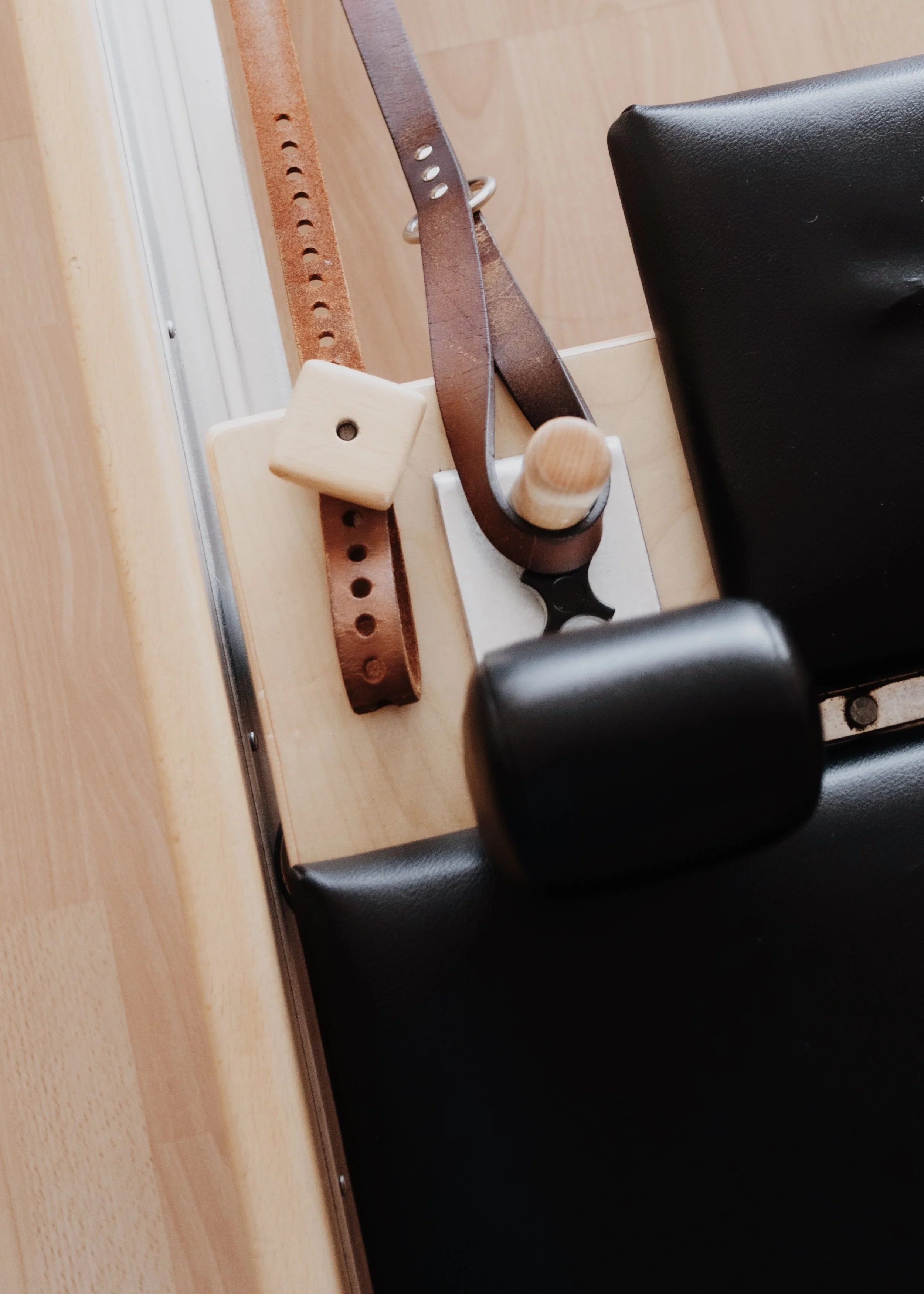
One advantage of the Pilates Reformer is its adjustable springs, resistance, and equipment setup. Exercises can be modified to accommodate limited mobility, reduce strain on certain areas, or provide additional support.
Instructor Guidance
A qualified Pilates instructor can help you understand which exercises may be suitable for your current abilities and offer adjustments based on your needs. They can also guide you through proper form and controlled movements.
Pain and Physical Limitations
Paying attention to how your body responds during exercise is essential. While some muscle effort is normal, sharp pain, increasing discomfort, or movements that aggravate an existing injury are signs to stop and reassess.
When Should You Avoid Reformer Pilates?
While Reformer Pilates can be adapted to different needs, there are times when giving your body more time to recover is the better choice. If you have a recent injury, are healing from surgery, or experience significant pain during movement, hold off until your healthcare provider confirms it's safe to resume exercise. This helps you avoid putting unnecessary strain on your body during recovery.
Tips for Starting Reformer Pilates in Albuquerque With an Injury
Once you've been cleared to exercise, a little preparation can help you feel more comfortable and confident as you return to your practice. Here are some tips to keep in mind.
Talk to your instructor. Share any physical limitations or concerns before class so they can provide appropriate guidance.
Ease back into your practice. Whether you're new to Reformer Pilates or returning after an injury, start with exercises that feel manageable.
Ask about modifications. Don't hesitate to request adjustments if certain exercises feel uncomfortable or too difficult.
Listen to your body. Pay attention to how you feel during each movement, and stop if you experience pain or unusual discomfort.
Progress gradually. Build strength and confidence at your own pace rather than rushing into more advanced exercises.
A private session can give you more personalized, one-on-one guidance from your instructor as you return to your practice.
Frequently Asked Questions
Can I Do Reformer Pilates With Lower Back Pain?
Some people with lower back pain can participate in Reformer Pilates, particularly when exercises focus on gentle movement and core stability. However, certain positions involving spinal bending or twisting can worsen symptoms, depending on the cause of your pain. Check with your healthcare provider before starting.
Is Reformer Pilates Safe for Bad Knees?
Reformer Pilates can be suitable for certain knee conditions because many exercises are performed while lying down or sitting. However, deep knee bends and movements that place excessive pressure on the joint may need to be modified or avoided, depending on your condition.
Can Reformer Pilates Make an Injury Worse?
Yes. Performing exercises with improper technique, excessive resistance, or beyond your current physical capacity can aggravate an existing injury. Even low-impact workouts carry some risk when movements aren't appropriate for your condition.
Is Reformer Pilates Better Than Mat Pilates for People With Injuries?
Neither is automatically better, as both offer different levels of support and challenge. The Reformer provides adjustable spring resistance and a moving carriage, while Mat Pilates relies more on body weight and floor-based exercises. The better choice depends on your injury, mobility, and recovery needs.
Explore Reformer Pilates at Somos Pilates
At Somos Pilates, we believe movement should meet you where you are. Whether you're returning after an injury or finding your way back into a regular routine, our instructors are here to offer thoughtful guidance and help you find a practice that works for you. Explore our Reformer Pilates classes in Albuquerque, and we look forward to seeing you at the studio.
Key Takeaways
Reformer Pilates can be appropriate for certain injuries when exercises are adapted to your needs.
Your injury, stage of recovery, and physical limitations determine which movements are suitable.
Adjustable resistance, exercise modifications, and instructor guidance can help support your return to movement.
Consult your healthcare provider before starting if you have an active injury, persistent pain, or post-surgical restrictions.
Start gradually, communicate with your instructor, and pay attention to how your body responds.