Can You Do Pilates While Pregnant?
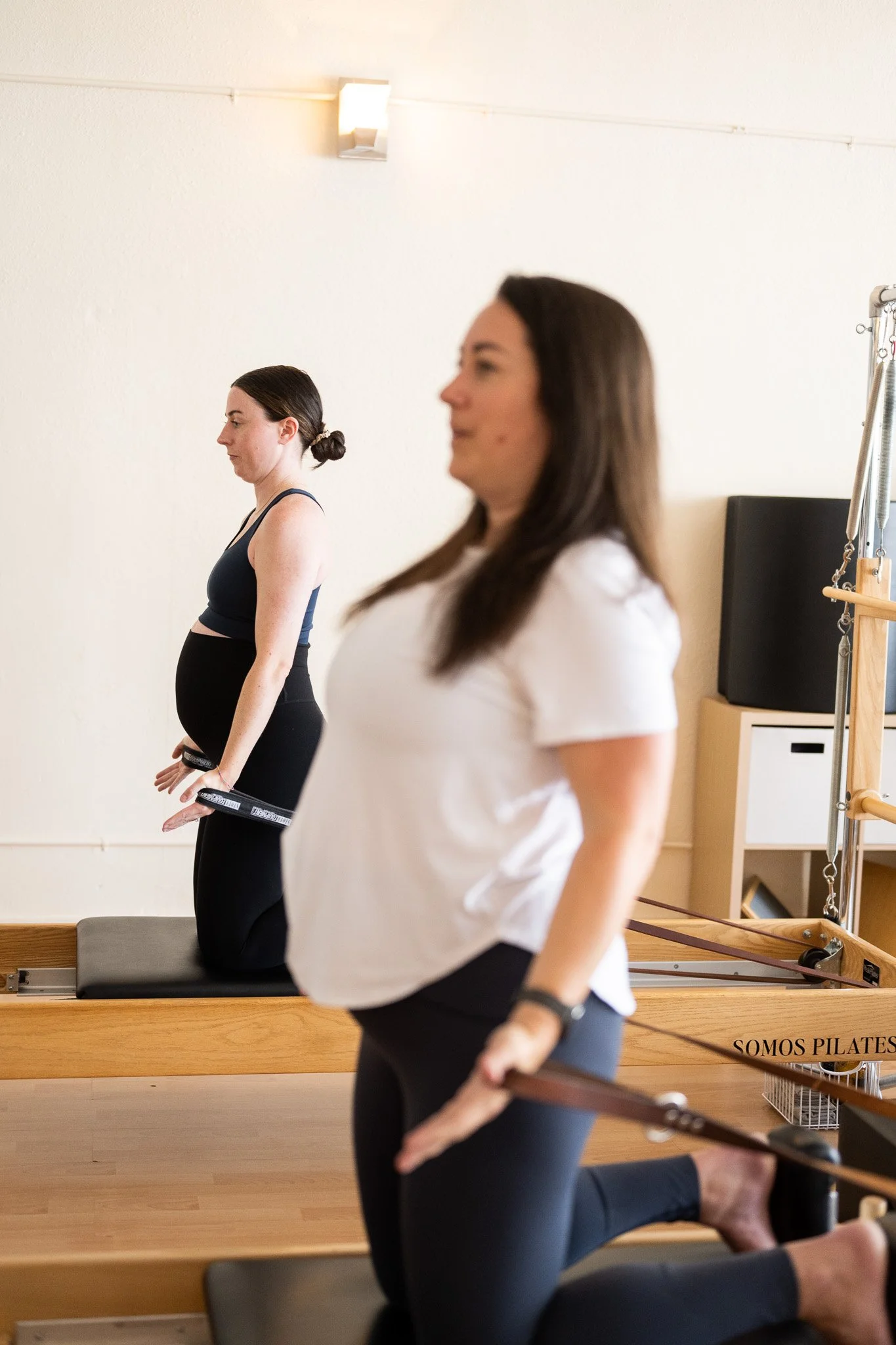
Quick Answer: Yes, Pilates is generally considered safe for pregnancy. However, appropriate modifications and professional guidance are important to help keep movement safe and comfortable for you and your baby.
Pregnancy brings a whole new set of rules to your daily routine, especially when it comes to movement. If you're a devoted Pilates lover, this transition often comes with a big question mark. Do you need to roll up your mat for the next nine months, or can your favorite workout safely adapt to your changing body?
If you're considering prenatal Pilates in Albuquerque, you may not have to say goodbye to your Pilates routine. Read on as we explore how it can fit into your pregnancy journey.
Can You Do Pilates While Pregnant?
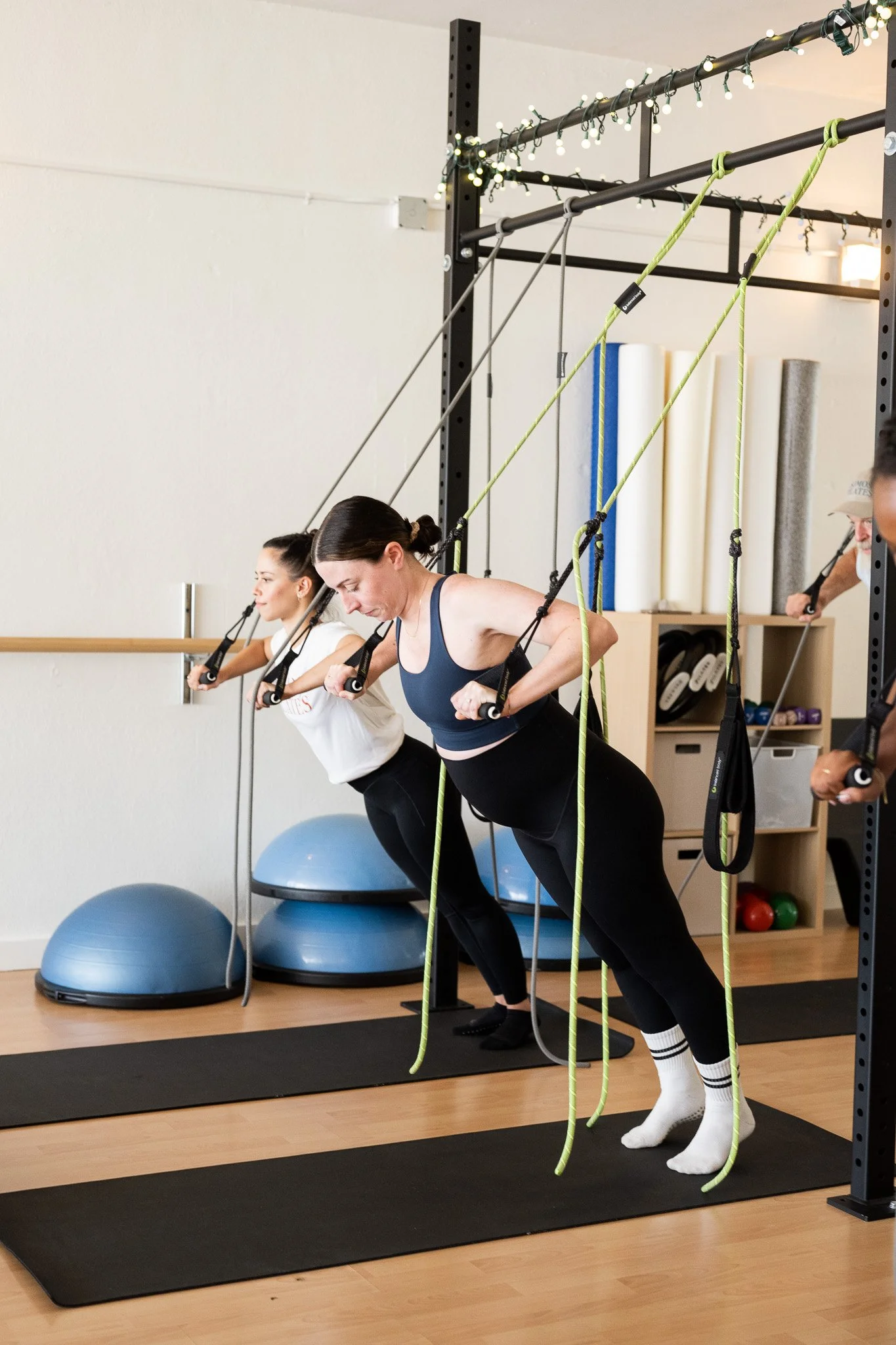
Yes, you can do Pilates while you are pregnant. But keep in mind that every pregnancy is different. Factors like your trimester, activity level, pregnancy symptoms, and certain complications can affect which movements are right for you. That’s why it’s recommended to get clearance from your OB-GYN or healthcare provider before starting or returning to your practice. It’s also important to work with a qualified Pilates instructor in Albuquerque who can provide personalized guidance and make modifications when needed.
When Can You Start Pilates During Pregnancy?
You can start Pilates at any point during your pregnancy as long as your doctor gives you the green light. Pregnancy brings changes week by week, so listen to your body and adjust based on what feels comfortable and supportive for you. Some people continue moving through their first trimester, while others take things slower as they navigate fatigue, nausea, and other early pregnancy changes. The second trimester may bring a little more energy, while the third can shift the focus toward slower, more intentional movement. Wherever you are in your pregnancy, the goal is to meet your body where it is and let your practice move with you.
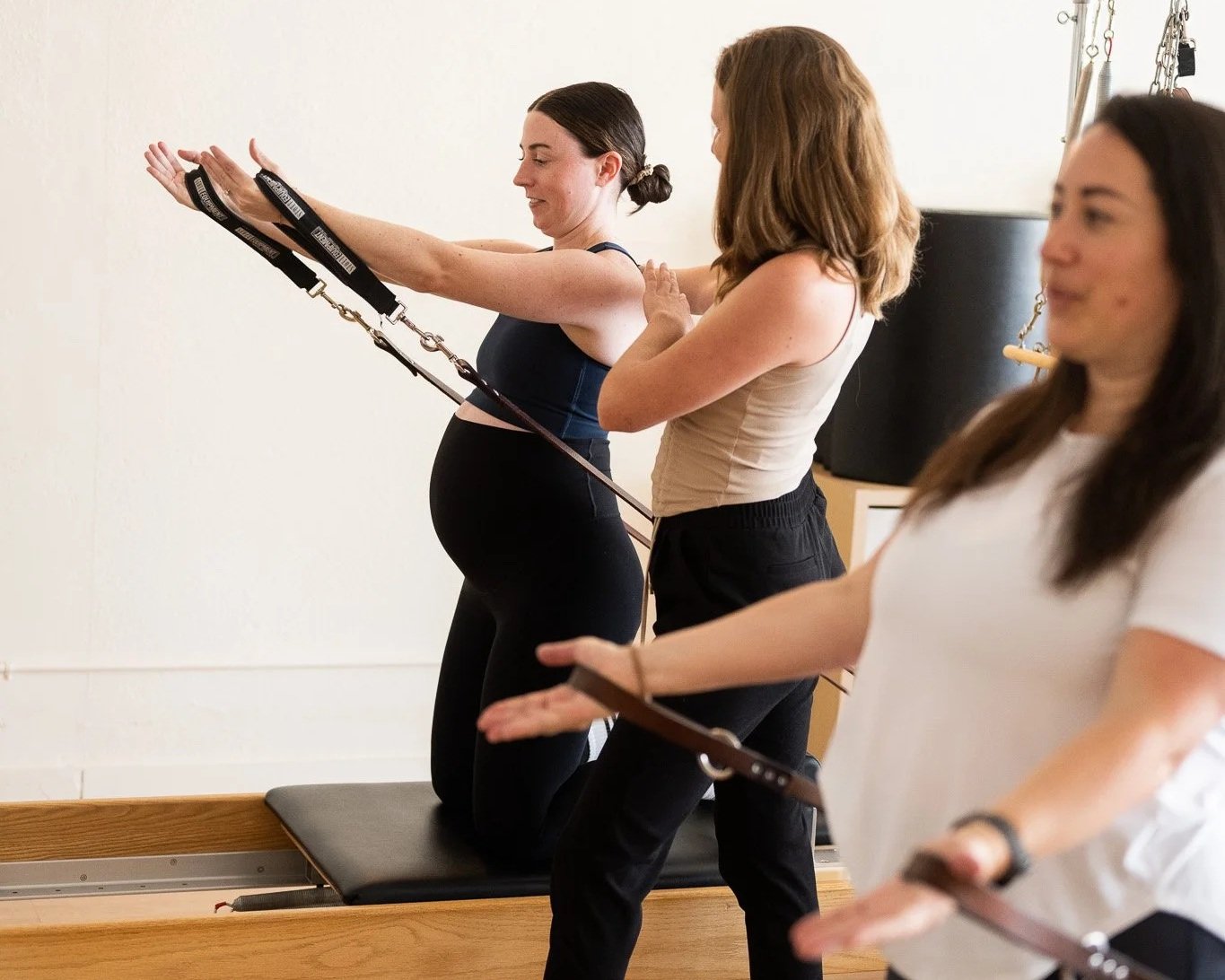
What Are the Benefits of Prenatal Pilates?
Prenatal Pilates offers a low-impact way to stay active while supporting the strength, mobility, and body awareness you use in everyday life.
Some of these benefits include:
Maintain strength - Keep your body strong and supported as it changes.
Support better posture - Stay mindful of your alignment as your belly grows.
Build core and pelvic floor awareness - Learn how to better connect with these key muscle groups.
Encourage mobility and flexibility - Keep your body moving comfortably through a changing range of motion.
Improve balance and body awareness - Feel more connected to how your body moves from day to day.
Make everyday movement easier - Support the strength and mobility you use for daily activities.
Stay active with low-impact movement - Keep moving without putting unnecessary stress on your body.
Research also suggests that Pilates during pregnancy may help improve sleep quality, reduce pain, and support other maternal health outcomes. But keep in mind that results can vary depending on how Pilates is practiced, including the method, frequency, and guidance you receive.
Can You Take Pilates Classes While You're Pregnant?
Yes, you can still take Pilates classes while pregnant. Just keep in mind that it's important to choose classes you feel comfortable with. Let your instructor know you're pregnant before class, too, so they can help you navigate movements and make adjustments when needed.
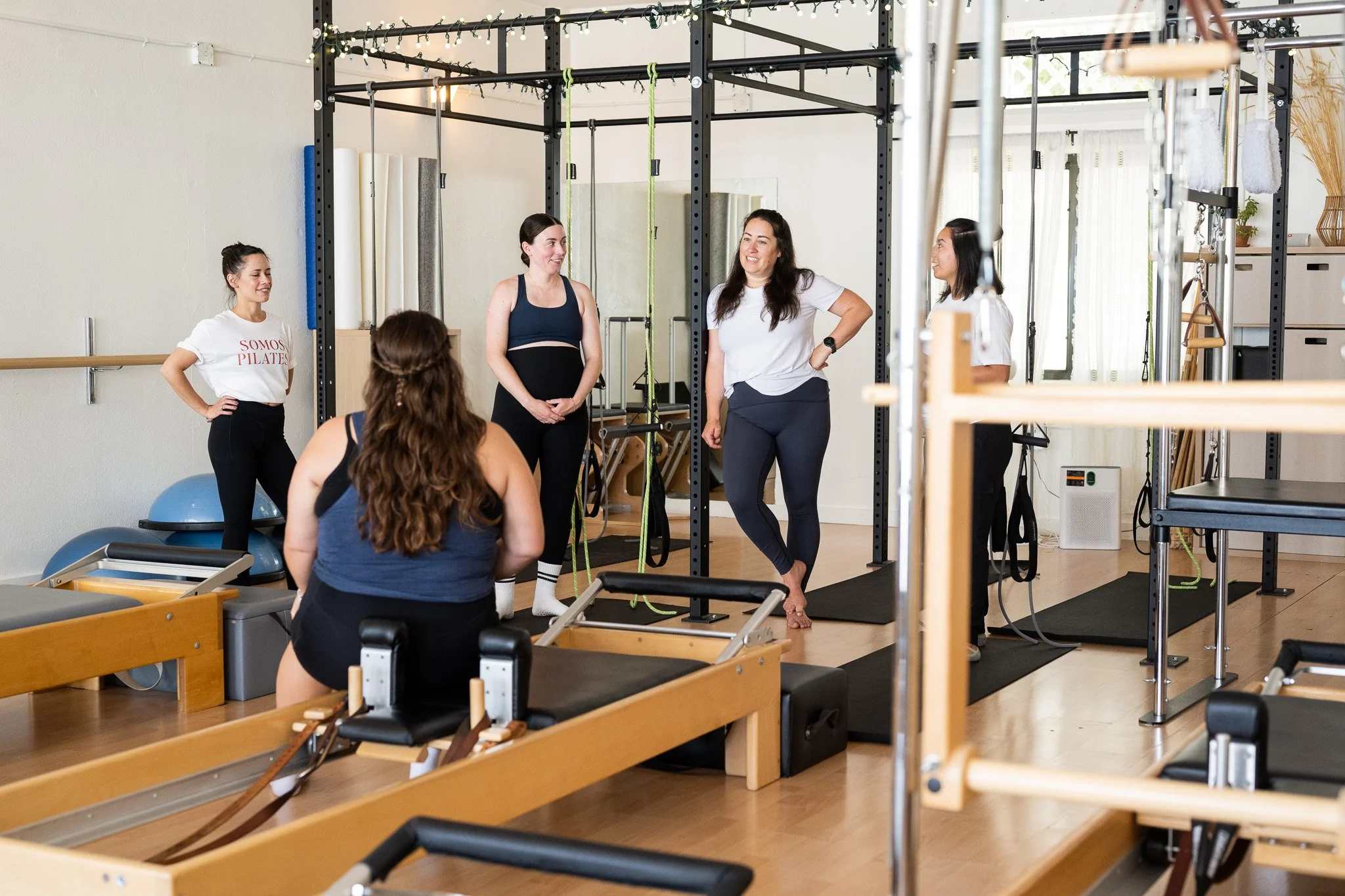
Pilates Classes for Pregnant Women in Albuquerque
At Somos Pilates, we offer both group classes and private sessions in Albuquerque. Each has its own advantages: private sessions offer more focused attention, while group classes bring the energy of moving alongside others. In either case, our instructors can provide personalized guidance and modifications to support you throughout your practice.
If you'd like to learn more, feel free to reach out to our team or book an appointment to get started.
Tips for Safe and Comfortable Prenatal Pilates
A few practical adjustments can help make prenatal Pilates more comfortable and appropriate throughout pregnancy.
Make room for your growing belly - Adjust your stance or positioning whenever you need more space to move comfortably.
Take your time getting up and down - Pregnancy can affect balance, so there's no need to rush between positions or exercises.
Keep water within reach - Take water breaks whenever you need them.
Avoid getting too warm - Wear breathable clothing and take a break if you start feeling overheated or uncomfortable.
Pay attention to pressure and discomfort - If a movement causes pain, dizziness, unusual pressure, or simply doesn't feel right, stop rather than pushing through it.
Be mindful of your changing balance - Your center of gravity shifts as your belly grows, so use extra support when you need it.
Don't chase your pre-pregnancy performance - Focus on how your body feels today rather than what you could do before pregnancy.
Give yourself permission to rest - Taking a break, skipping an exercise, or ending a session early can all be part of a good prenatal practice.
Frequently Asked Questions
Do I need previous Pilates experience to start while pregnant?
Not necessarily. If your healthcare provider has cleared you for exercise, you may be able to begin Pilates during pregnancy even if you're a beginner. Look for an instructor who understands prenatal movement and can help you ease into the practice at your own pace.
How often should I do prenatal Pilates?
There's no exact number that works for everyone. The right frequency depends on your energy, routine, overall activity level, and your healthcare provider's recommendations.
What should I wear to a prenatal Pilates class?
Think comfortable, stretchy, and breathable. Anything that lets you move without feeling restricted. Grippy socks are also a good idea for extra stability on the Reformer and around the studio.
Is prenatal Pilates good for pelvic floor strength?
Prenatal Pilates can help you become more aware of your pelvic floor and how it works together with your breath and core. And it's not always about squeezing or strengthening; learning how to relax and coordinate these muscles matters, too.
How is prenatal Pilates different from regular Pilates?
Prenatal Pilates takes pregnancy into account, so the pace, positions, resistance, and exercise choices may look a little different. You're still getting that Pilates goodness, just with more room to adapt the practice to you.
Can You Do Reformer Pilates While Pregnant?
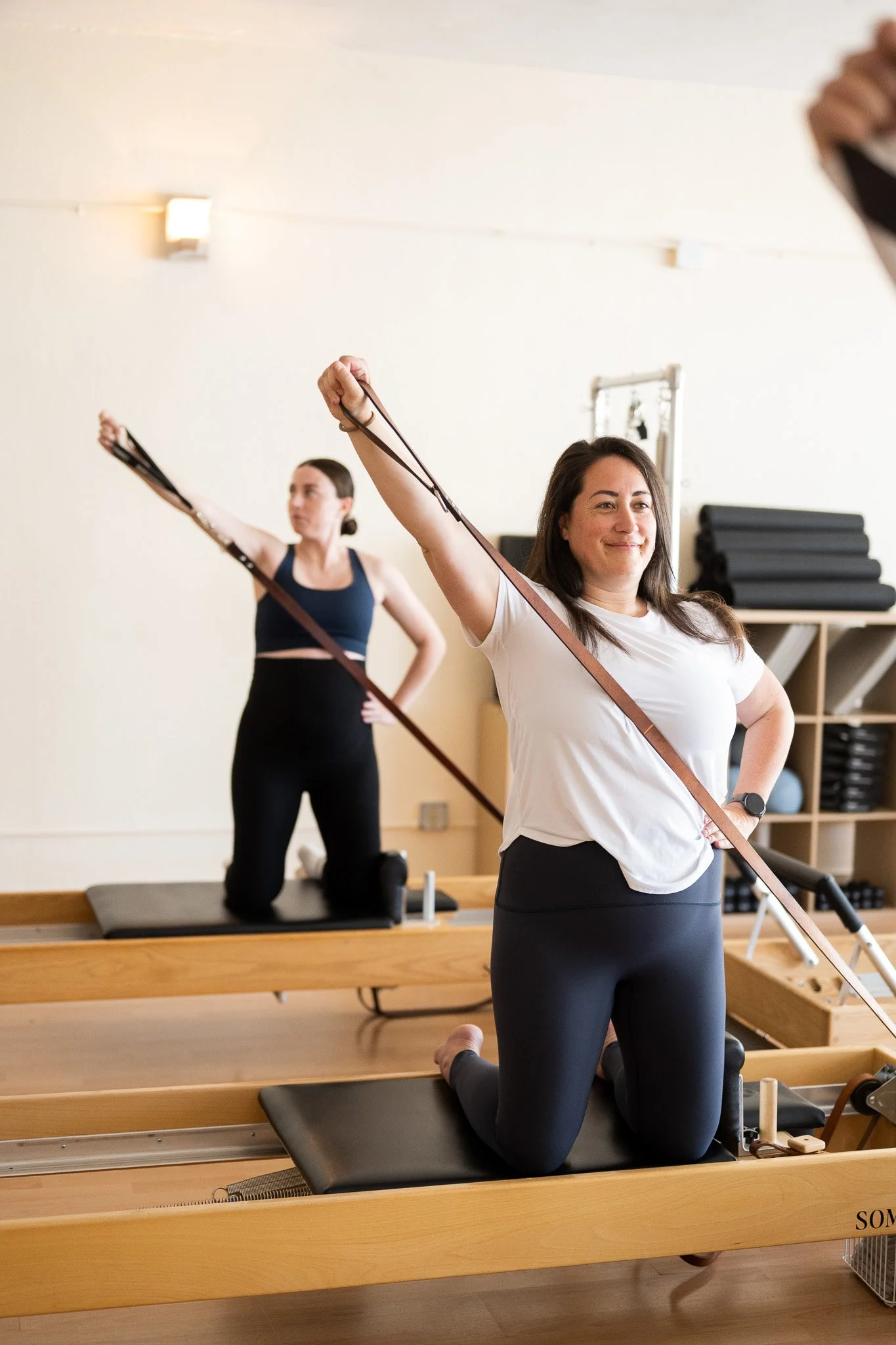
Yes, Reformer Pilates may be an option during pregnancy with medical clearance and appropriate modifications. The Reformer allows resistance and positioning to be adjusted and can provide support for different movements.
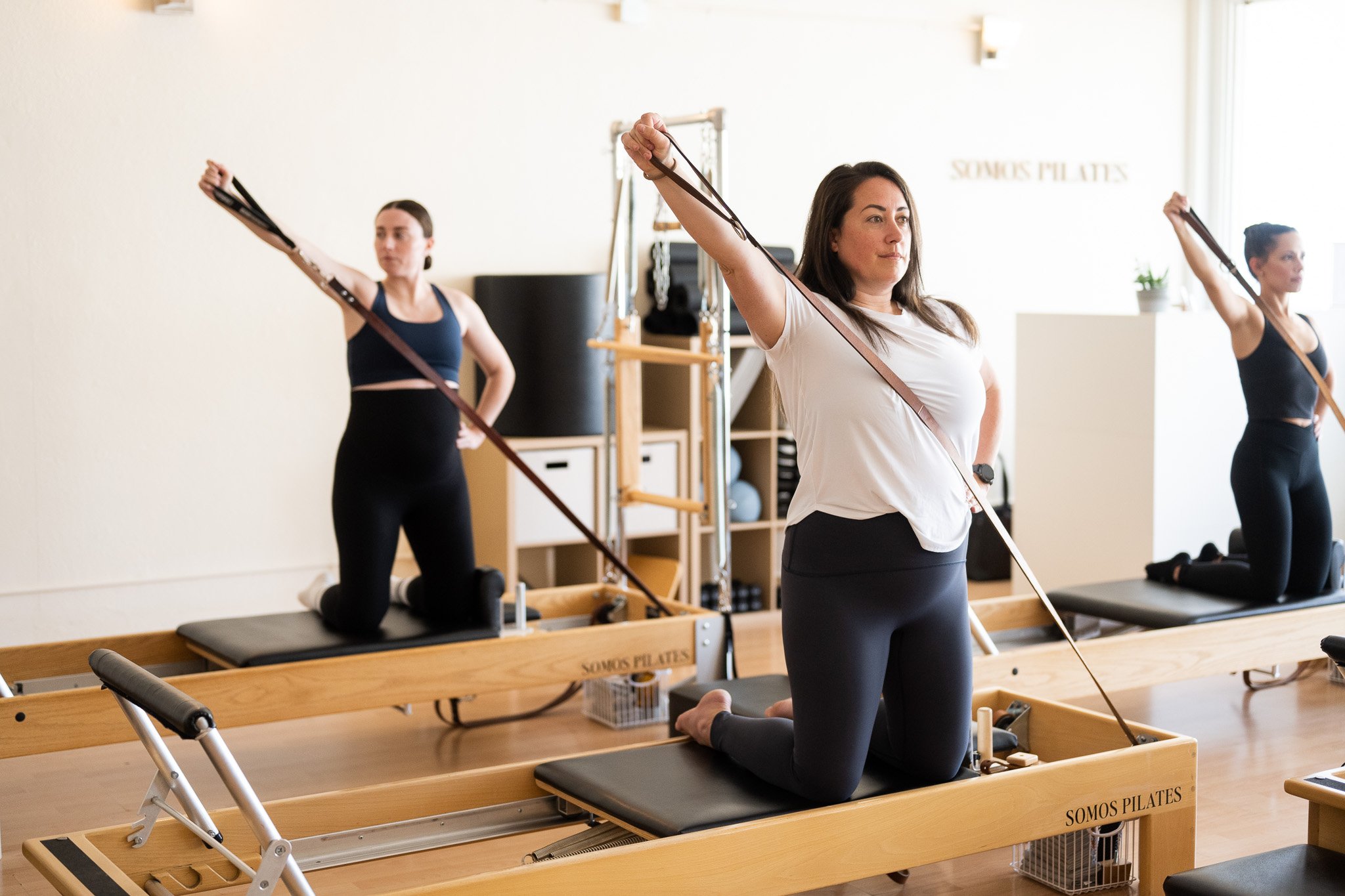
Your Body Is Changing. Your Movement Can Too.
It's normal to have questions about movement during pregnancy: Can I still do this? Should I change that? Does this still feel good? Having an instructor by your side means you don't have to figure out every movement on your own. We can help you find options that make sense for you. Find your next class at Somos Pilates in Albuquerque today.
Key Takeaways
Pilates can often be part of your movement routine during pregnancy with medical clearance and appropriate modifications.
Prenatal Pilates can support strength, posture, mobility, balance, and core and pelvic floor awareness.
Your practice may need to adapt throughout pregnancy based on your individual needs.
Group classes and private sessions both offer ways to continue your practice during pregnancy.