Can You Build Muscle with Reformer Pilates?
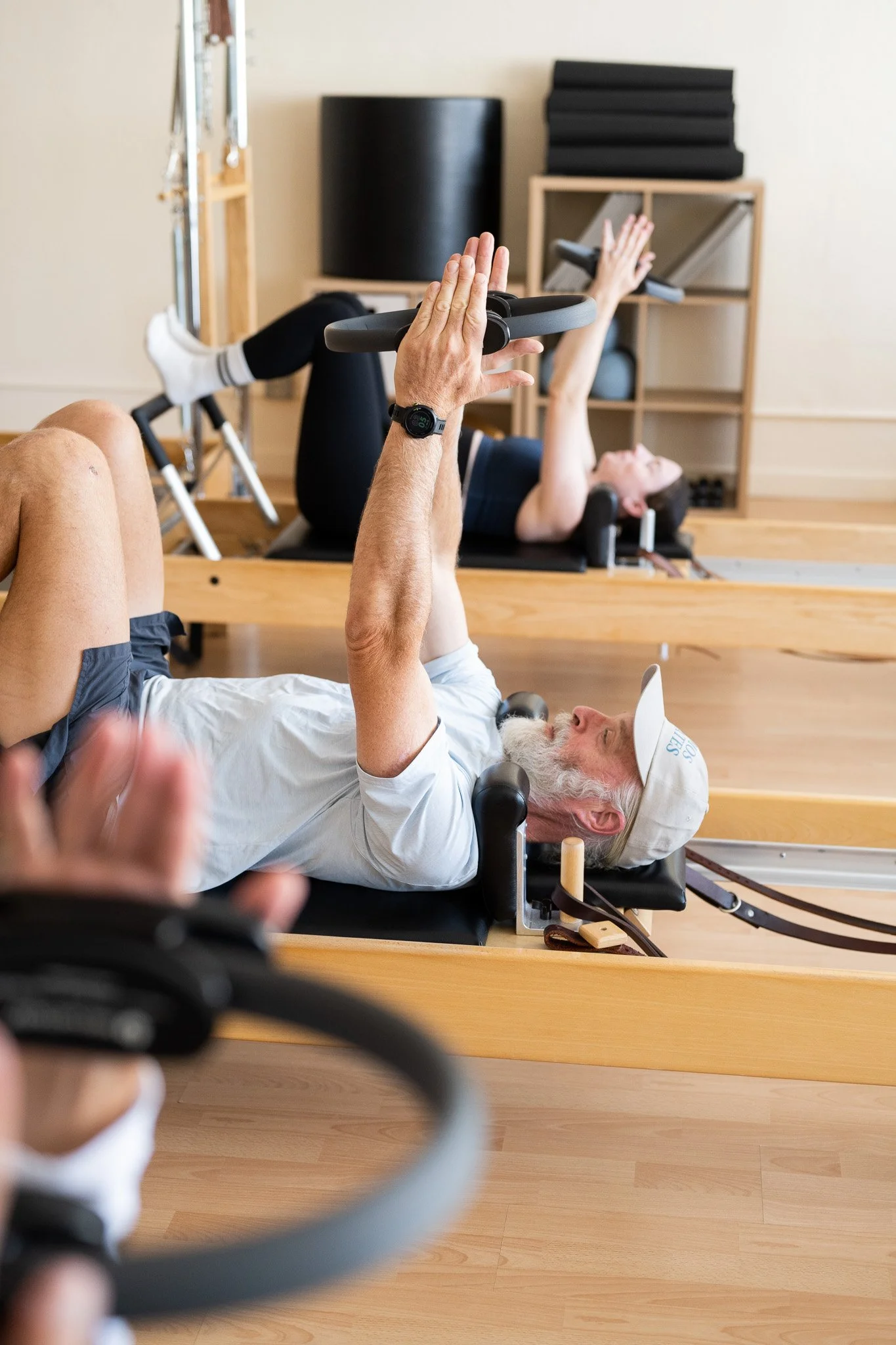
Quick Answer: Yes, Reformer Pilates can help build lean muscle and improve overall strength. The spring resistance and controlled movements challenge your muscles in ways that support strength, stability, and muscle tone. Working with experienced instructors in Pilates classes in Albuquerque can help you move with confidence, improve your form, and get the most from each workout.
Many people associate fitness success with building muscle. While Pilates offers a wide range of benefits, is muscle growth one of them? Let's take a closer look at how this practice challenges your muscles and supports strength development.
What Does It Mean to Build Muscle?
Before answering whether Reformer Pilates builds muscle, it helps to understand how muscle growth works. Muscles grow when they are challenged with enough resistance to create small amounts of stress. As your body recovers, those muscles adapt and become stronger over time.
Can You Build Muscle with Reformer Pilates in Albuquerque?
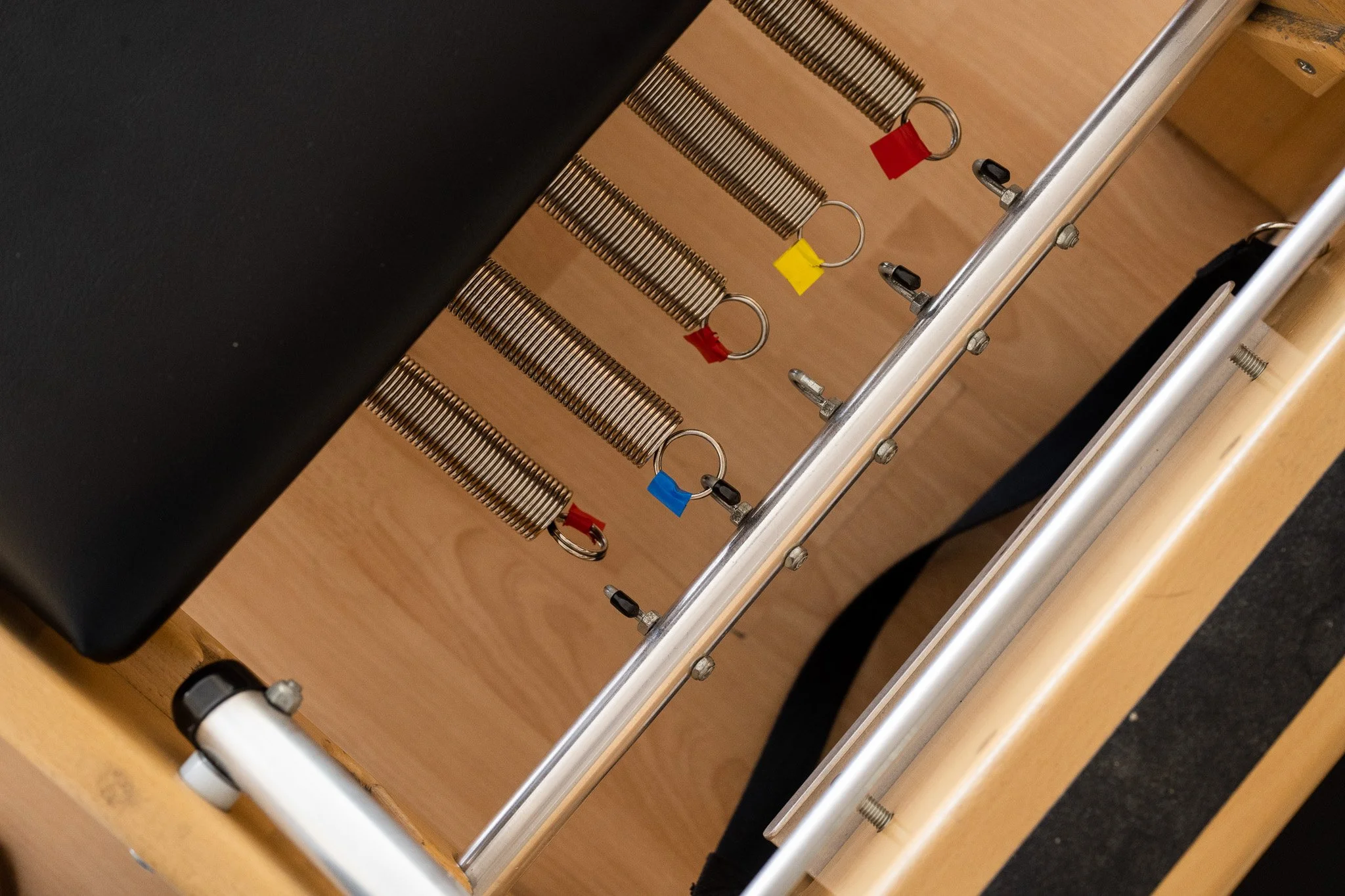
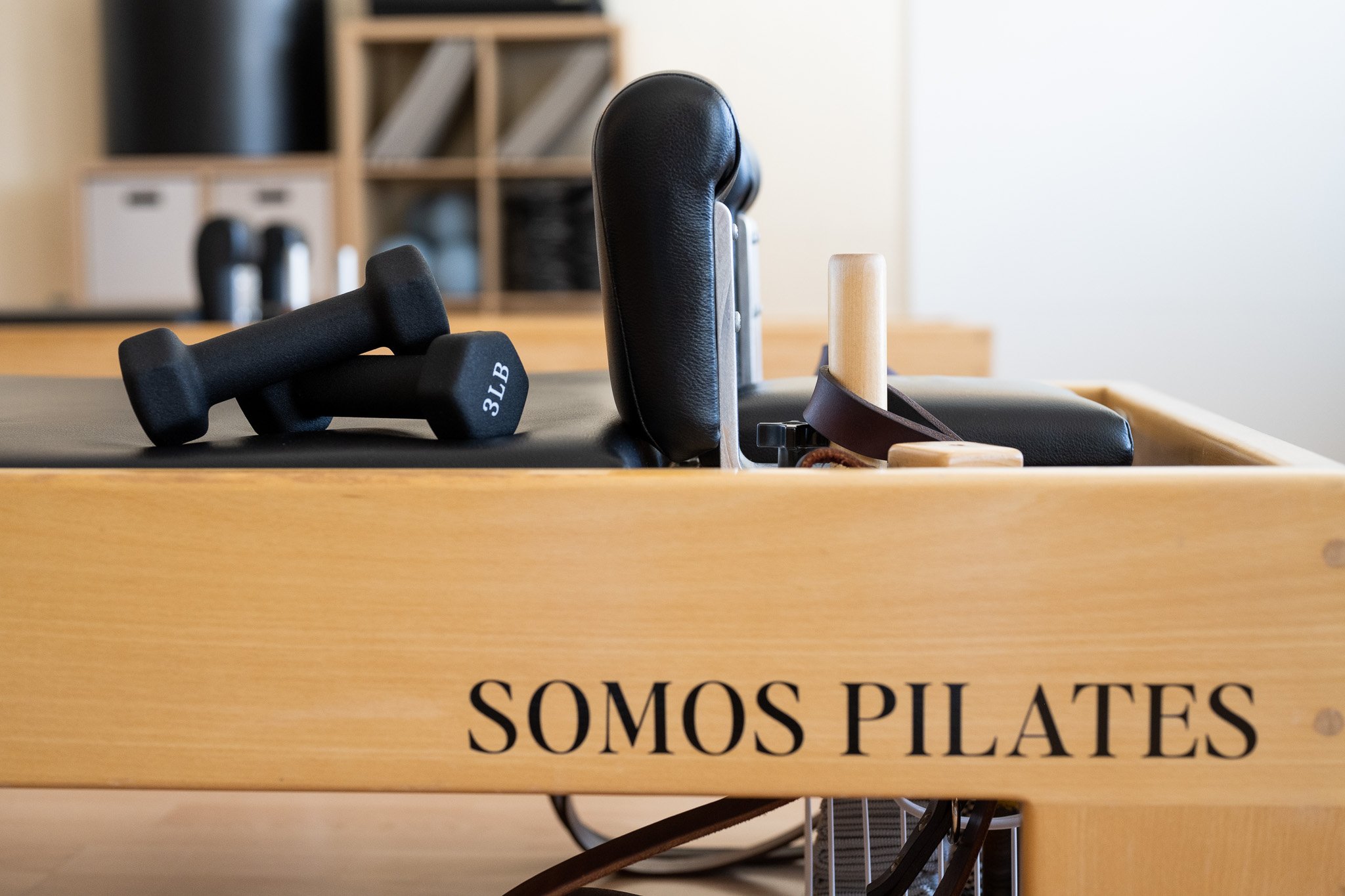
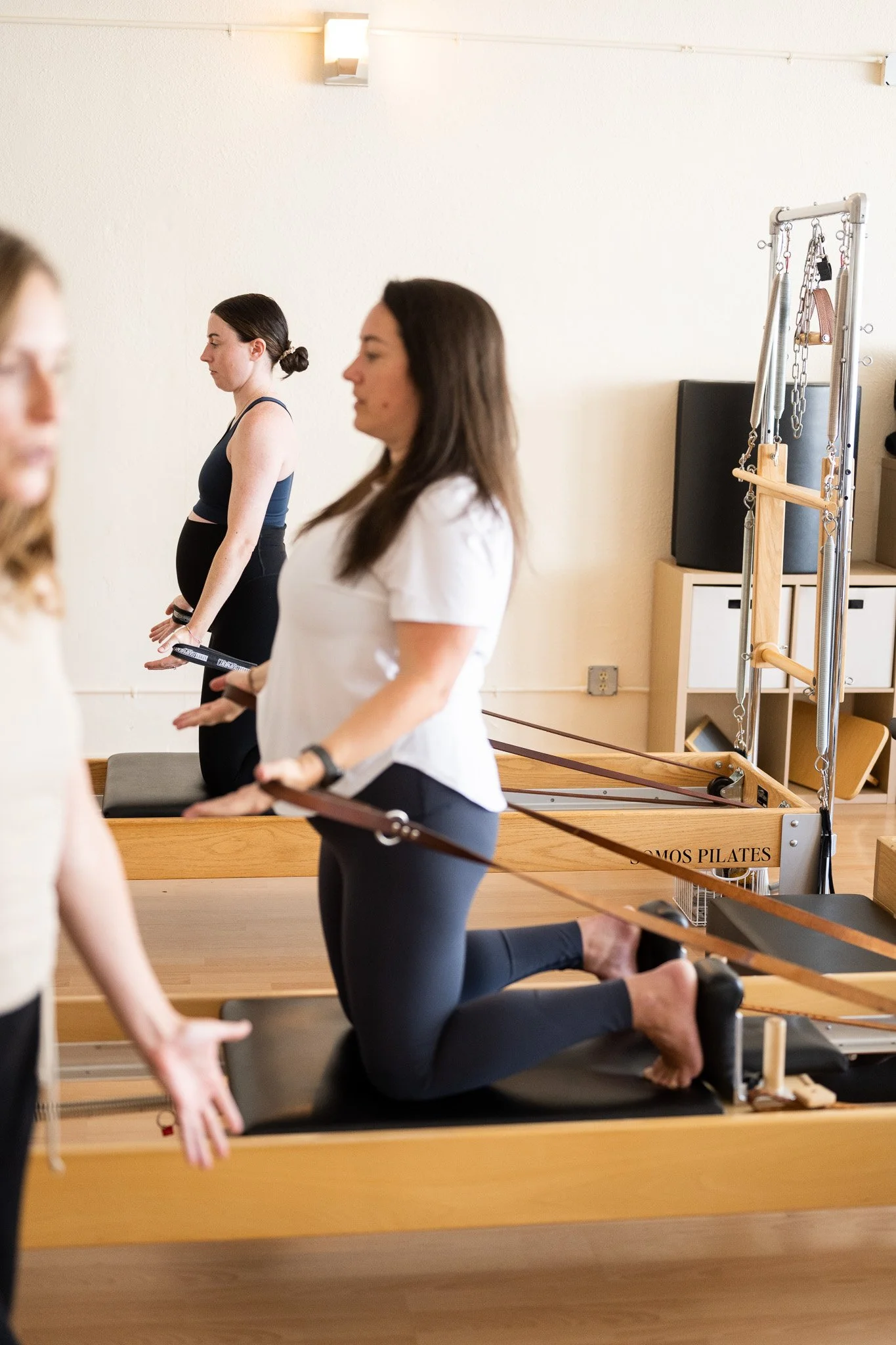
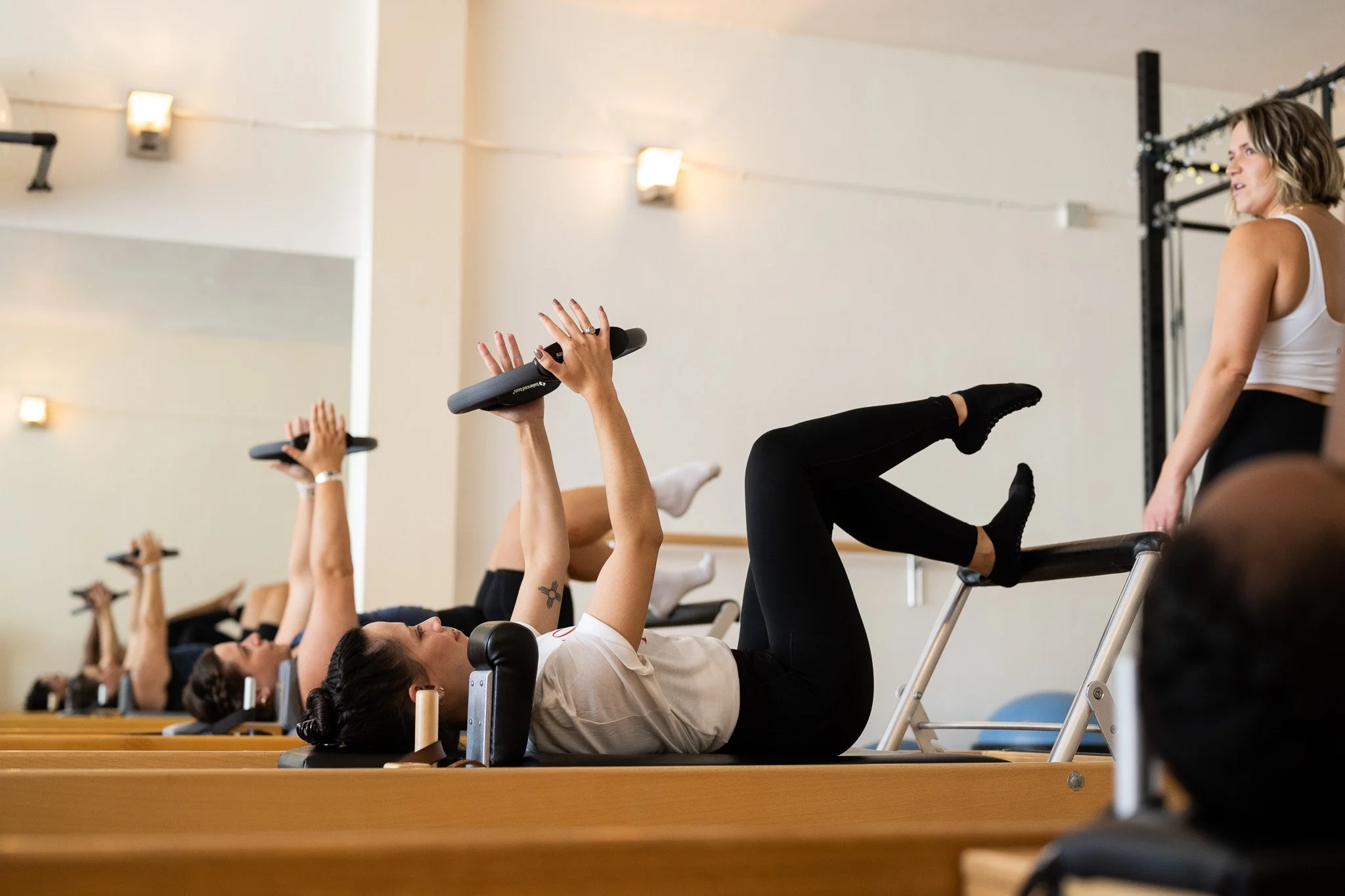
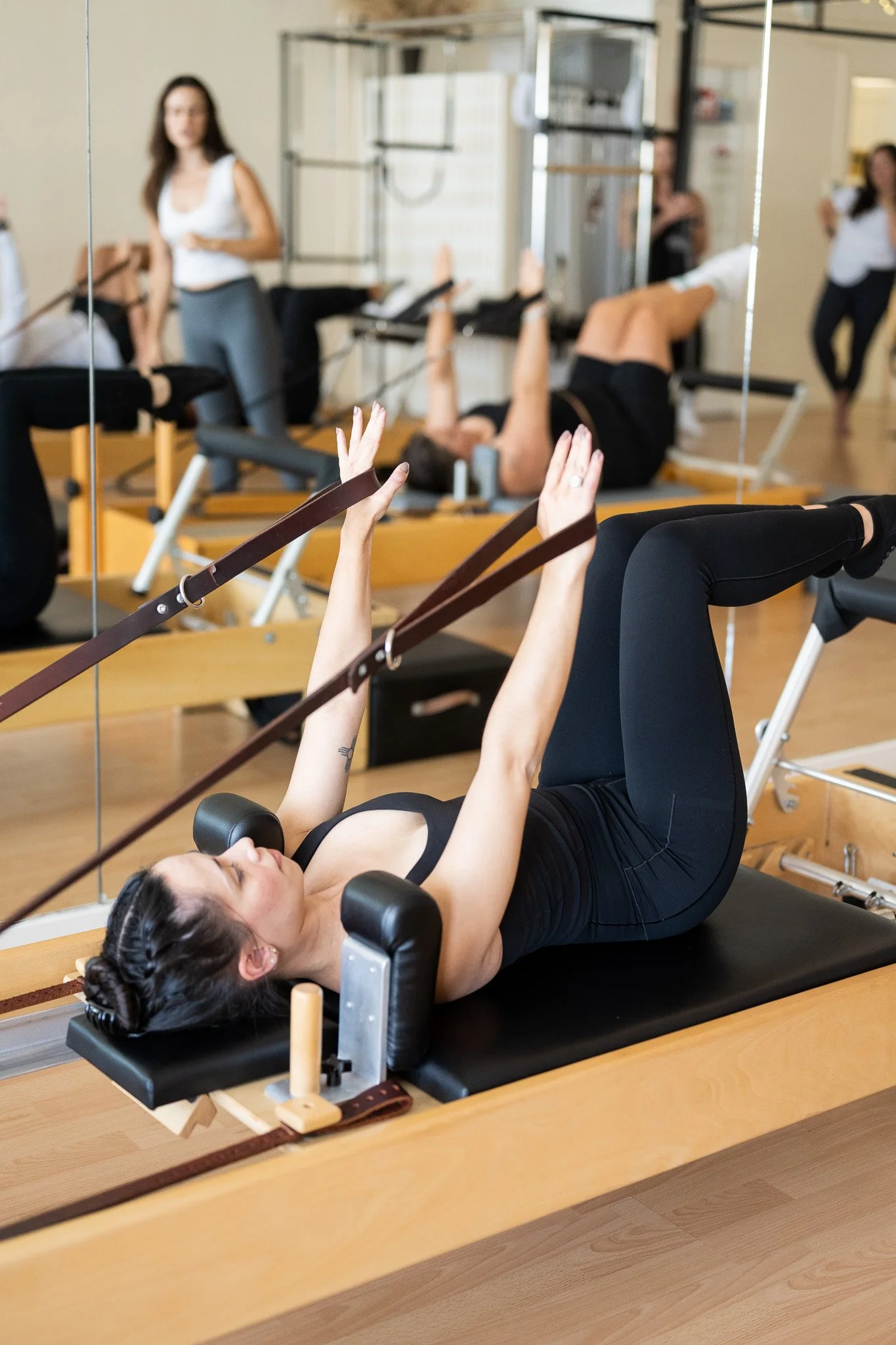
Yes, Reformer Pilates can also help build muscle. The reformer uses adjustable spring resistance that creates the tension needed to challenge your muscles and develop strength. Depending on the exercise, Pilates may also incorporate external resistance through equipment such as hand weights, resistance bands, or Pilates props to further challenge the body. Research suggests that this workout may contribute to improvements in muscle mass and body composition when practiced consistently.
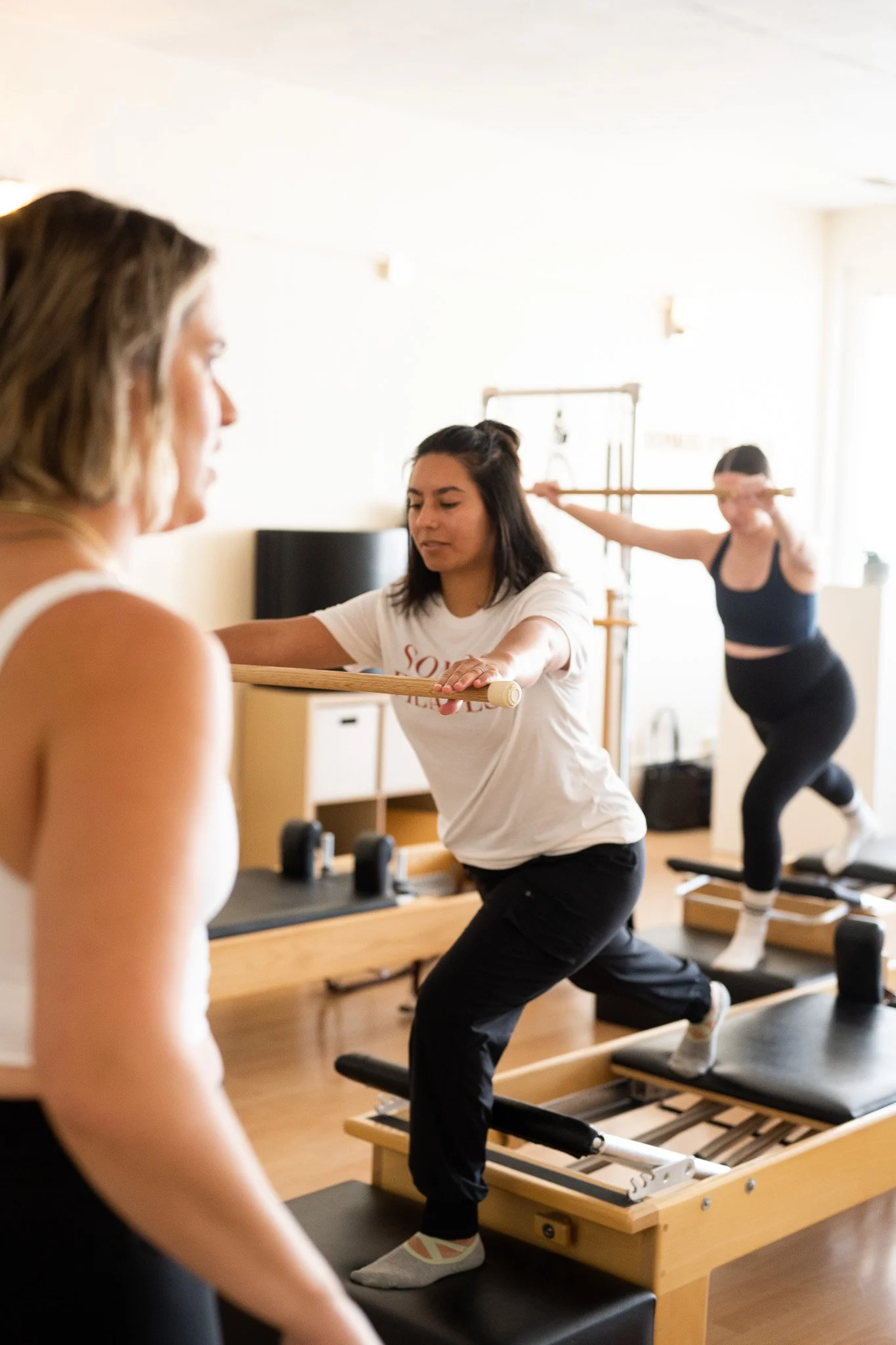
In our Reformer Pilates classes in Albuquerque, we help clients use the reformer's spring resistance effectively through guided movement and intentional exercise. Whether you're attending a group class or working one-on-one in a private session, our instructors help you build confidence with the equipment and challenge your muscles safely as you progress.
What Muscles Does Reformer Pilates Work?
Reformer Pilates is a full-body workout that strengthens major muscle groups while also activating the smaller stabilizing muscles that support balance, posture, and efficient movement.
Core - Your abdominals, obliques, and back muscles work together to support stability and control throughout every movement.
Glutes and Hamstrings - Many reformer exercises target the back of the legs and glutes, helping build lower-body strength and support everyday movement.
Quadriceps and Calves - Exercises that involve pressing the carriage strengthen the front of the thighs and calves while improving endurance.
Back Muscles - The reformer helps strengthen both the upper and lower back, supporting posture and overall movement quality.
Arms and Shoulders - Straps and spring resistance challenge the arms, shoulders, chest, and upper body without relying on heavy weights.
Hip Stabilizers - Smaller supporting muscles around the hips help improve balance, coordination, and joint stability.
Private sessions offer a more personalized approach, allowing your instructor to customize exercises based on your goals and target the muscle groups you'd like to strengthen.
Reformer Pilates vs Weight Training
One of the most common questions is whether Reformer Pilates or traditional weight training is better for building strength. While both can help you get stronger, they take different approaches to getting there.
Movement
Reformer Pilates focuses on controlled, low-impact movement, while weight training centers on lifting progressively heavier loads.
Muscle Focus
Reformer Pilates trains the body through integrated, full-body movements that engage multiple muscle groups at once. Weight training can do the same through compound lifts, while also allowing for more targeted muscle isolation.
Growth and Strength
Both Reformer Pilates and weight training can help build strength and support muscle growth. Reformer Pilates is often associated with balanced strength, lean muscle tone, and muscular endurance throughout the body, while weight training is commonly used to increase overall strength and muscle size over time.
Joint Impact
Reformer Pilates is low-impact and places less stress on the joints, making it a popular option for those seeking a gentler approach to strength training. Weight training can place more stress on the joints depending on the exercises and resistance used.
Result Timeline
Many people notice improvements in posture, flexibility, core strength, and muscle tone within a few weeks of consistent Pilates practice. Weight training may lead to more noticeable increases in strength and muscle size when combined with proper nutrition and recovery.
Ultimately, the best choice depends on your goals, lifestyle, and what type of exercise you enjoy. Many people choose to combine both, using weight training to build strength and Reformer Pilates in Albuquerque to support mobility, stability, and movement quality.
Reformer Pilates Classes in Albuquerque at Somos Pilates
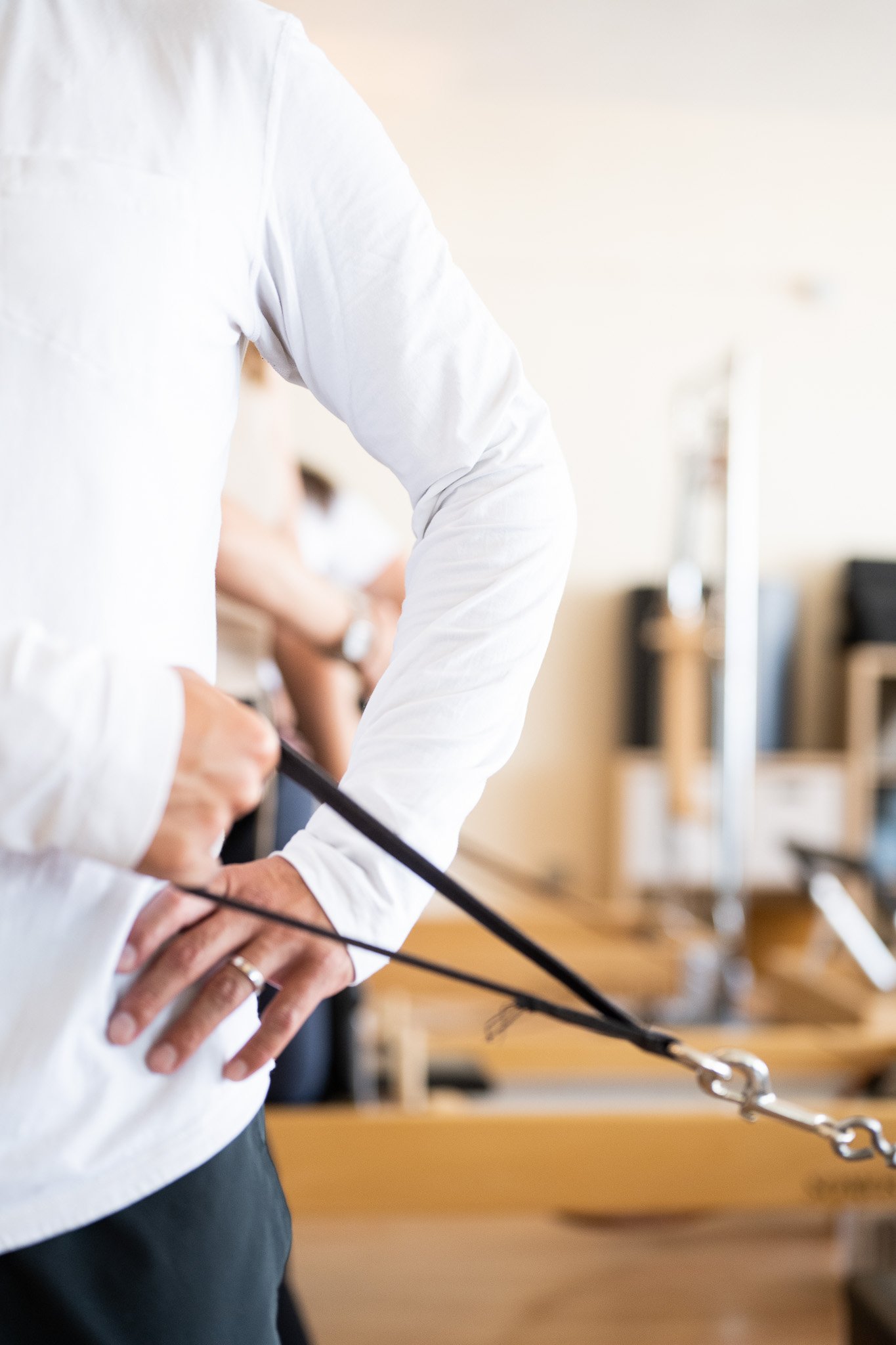
At Somos, we use the reformer's spring resistance to support your movement or add challenge where it's needed most. This allows you to build strength with control, engage your muscles more intentionally, and experience a workout that is both accessible and empowering.
We offer both group and private sessions, giving you the opportunity to build strength with guidance from experienced instructors. From learning how to use the equipment effectively to refining your form, our team helps you move safely and get the most out of every workout. View our class schedule and get started with Reformer Pilates today.
What Results Can You Expect?
When looking at Reformer Pilates before-and-after results, many people notice improvements in posture, core strength, flexibility, and body awareness within the first few weeks.
As you continue your practice, you may also experience increased strength, greater muscle tone, improved balance, and more confidence in the way you move. Like any fitness journey, results vary from person to person and are influenced by factors such as consistency, intensity, and nutrition.
Frequently Asked Questions
What should you know before taking Reformer Pilates?
Before your first Reformer Pilates class, expect a workout focused on controlled movements, core engagement, and proper form rather than high-impact exercise. If you're new to Pilates, your instructor will guide you through the equipment, movements, and proper form so you can feel confident and supported from day one.
How many days should I rest between Reformer Pilates sessions?
If your goal is muscle building, giving your muscles at least 24 to 48 hours to recover between intense sessions can support strength and muscle development. Most people can benefit from practicing Reformer Pilates 2 to 4 times per week while allowing adequate recovery.
Is Reformer Pilates low impact?
Yes, Reformer Pilates is a low-impact workout. This makes it a great option for building strength and lean muscle while reducing the impact commonly associated with heavier forms of resistance training.
Ready to Try Reformer Pilates?
Reformer Pilates offers a unique way to challenge your muscles while improving the way your body moves. If you're ready to build strength, improve control, and experience the benefits for yourself, explore our group and private Pilates classes in Albuquerque.
Key Takeaways
Reformer Pilates can help build lean muscle and improve overall strength.
Spring resistance creates the muscle challenge needed for strength development.
Pilates strengthens the entire body, including the core, glutes, legs, back, and shoulders.
Reformer Pilates supports strength, muscle tone, and movement quality through resistance-based training.
Consistent practice can improve posture, muscle tone, balance, and body awareness.